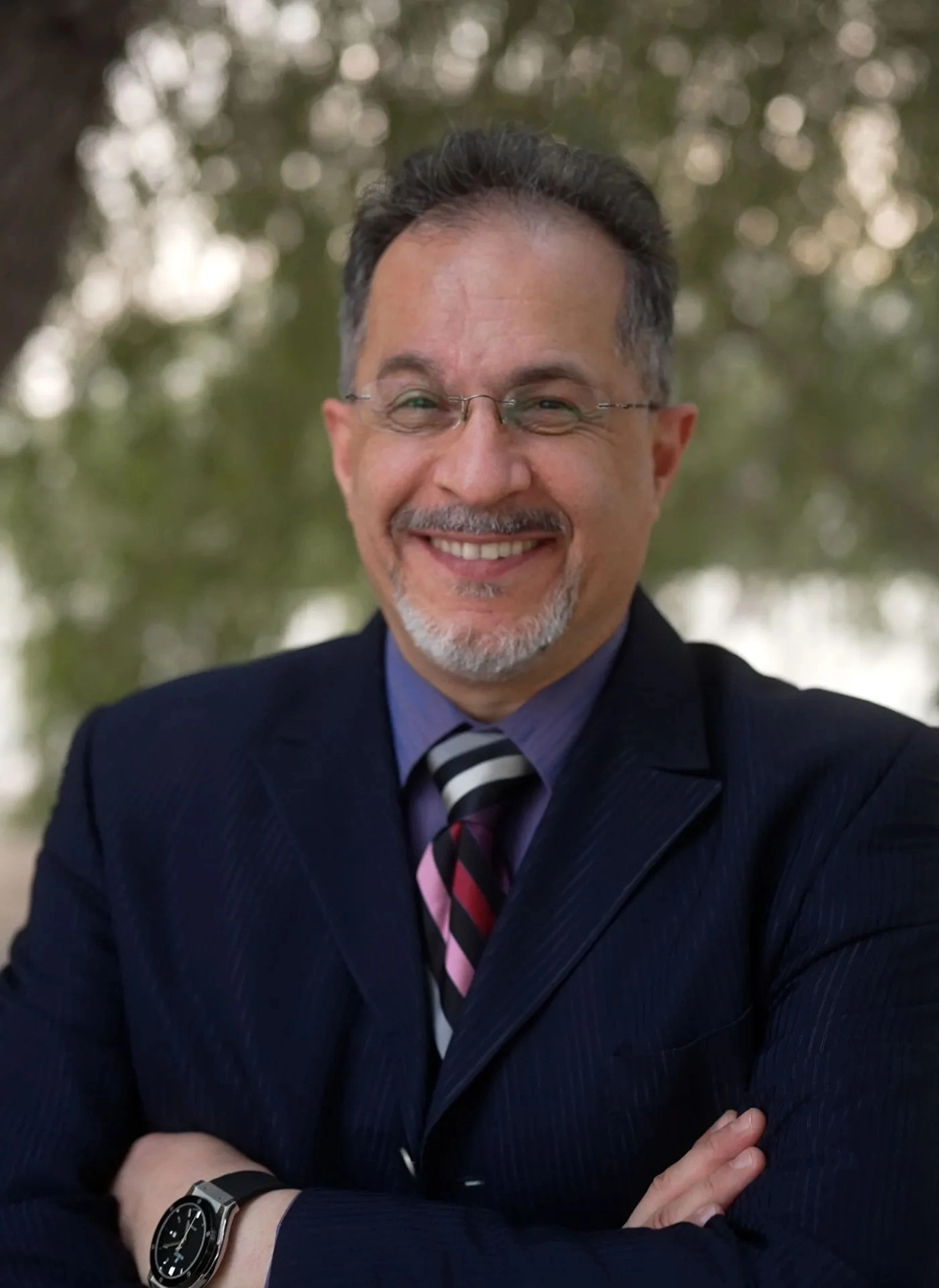
In the landscape of aesthetic surgery in Dubai, the name of Dr Babak Hatami stands as a point of reference for those seeking a conscious medical approach built on solid experience.
Located within the Olivia Medical Center in Umm Suqeim 2, the clinic is distinguished by a clear philosophy: aesthetic surgery is a journey, not an impulsive decision. With over thirty years of experience, Dr Babak Hatami has developed a method that combines technical expertise and attentive listening, allowing patients to approach each treatment with greater awareness and confidence, avoiding shortcuts or improvised solutions that may be risky.
Who is Dr Babak Tatami and what path has he built over time?
Dr Babak Hatami began his journey with a precise goal: to become a plastic surgeon. From the early stages of his education, he focused his studies on this discipline, starting his specialization in 1992 with a clear direction and strong determination.
Over the years, he has developed expertise in areas such as aesthetic surgery, reconstructive surgery, and microsurgery, gaining a comprehensive understanding of the human body. His experience spans Europe and the Middle East, and after working in the private sector in Romania and achieving international recognition, he moved to Dubai in 2014, where he continues to practice.
What defines his path is a combination of continuous development and long-term dedication, focused not only on procedures but on guiding patients through every stage with care and responsibility.
Why is experience so important in aesthetic surgery?
When discussing aesthetic surgery, experience is not a minor detail but a key factor that determines the quality of the result. It is what makes the difference between a natural outcome and an artificial appearance.
A surgeon with extensive experience has managed a wide variety of cases, developing the ability to handle both simple and complex situations. This allows for better prediction of results and greater control during procedures, reducing risks and improving overall outcomes.
Beyond technical skill, experience also builds a refined aesthetic sense, based on balance, proportion, and harmony, which is essential in treatments such as rhinoplasty, breast procedures, or body contouring.
How does the first approach with the patient work?
The first consultation is a crucial moment in the process. It allows the patient to express expectations while receiving a clear and realistic evaluation. This stage is built on open communication and mutual understanding, which are essential to establish trust.
During this phase, the process includes collecting medical history, analyzing the current condition, discussing realistic goals, and explaining available options. The patient must clearly understand what can be achieved and what limitations exist, ensuring a transparent and well-informed decision-making process.
Can a natural result be achieved with aesthetic surgery?
One of the most common concerns among patients is whether the result will appear natural. Many fear visible or exaggerated changes. In reality, when properly planned, the goal is always to improve without altering identity.
A natural result is one that integrates seamlessly with the patient’s features, maintaining harmony and authenticity. Achieving this requires studying facial and body proportions, adapting techniques to the individual structure, and avoiding unnecessary excess.
A clear example is rhinoplasty, where there is no universal “perfect nose,” but rather a solution tailored to the face. The same principle applies to breast or body procedures, where the focus is on personalization rather than standardization.
Why is it important to avoid DIY or non-professional solutions?
In recent years, the idea of quick and non-medical solutions has become more widespread, but this represents a real risk. Aesthetic surgery is a complex medical discipline that requires specific skills and controlled environments.
Even less invasive treatments demand professional expertise and strict protocols, and relying on unqualified solutions can lead to complications. These may include aesthetic issues, functional problems, and difficulties in correction.
In many cases, correcting a poorly performed procedure is far more complex than performing it correctly from the start. This is why choosing experienced professionals ensures a safe, structured, and reliable path.
How are treatments personalized in the clinic?
Every patient is different, and this means there is no single treatment that fits everyone. Personalization is one of the core elements of the approach adopted by Dr Babak Hatami.
Each procedure is designed based on individual characteristics, including physical structure, proportions, and personal expectations. This allows for the creation of a tailored treatment plan that respects the uniqueness of each patient.
For example, in body contouring, the focus is no longer just on reduction, but on reshaping and harmonizing forms. This approach is also applied to facial and breast procedures, where every detail is studied to achieve a balanced and natural result.
What should be expected after an aesthetic surgery procedure?
The post-operative period is just as important as the procedure itself. It is the phase in which the body adapts to the changes and begins the healing process.
Each treatment has different recovery times, but in general it is essential to follow medical instructions, respect recovery timelines, and avoid activities that are not recommended. Patience is a key factor, as the final result develops gradually over time.
During this phase, medical support is essential. A careful follow-up allows monitoring progress and intervening if necessary, ensuring a stable and satisfying long-term outcome.
Dr Babak Tatami: a point of reference for aesthetic surgery in Dubai
Aesthetic surgery is a journey that requires competence, experience, and attention. It is not only about improving appearance, but about doing so in a conscious and safe way.
Through a didactic and empathetic approach, Dr Babak Hatami has built a method based on personalization and quality. In Dubai, his clinic represents a place where patients are guided through every stage, from the initial evaluation to post-operative care.
This path places the individual at the center, with the goal of achieving natural and harmonious results, always respecting the patient’s unique identity.